Promotional Travel Mugs ROI & Best Practices (2026)
Promotional Travel Mugs ROI & Best Practices (2026)
You know that moment on a rainy school run or a packed commute when you spot the same reusable mug again and again? It is always on a desk, clipped to a backpack, or sitting in a car cup holder. That is exactly why promotional travel mugs can work so well for brands. They are not a flyer that gets binned by lunch. They are a practical item people carry, refill, and genuinely rely on.
But here’s the thing: not all promotional travel mugs deliver good marketing ROI, and not all of them align with the sustainability story many organisations want to tell in 2026. A mug that leaks, tastes odd, or is awkward to clean can backfire. It becomes “that freebie in the cupboard” instead of a daily habit.
This guide walks you through how promotional travel mugs earn attention over time, what “good” looks like from a practical and eco perspective, and how to plan a campaign that people actually use.

Why promotional travel mugs work (and when they do not)
Promotional travel mugs work because they sit right in the middle of daily routine. Tea break. Train platform. School pick-up. A reusable mug can be picked up twice a day without the user thinking about it, which means your brand is seen repeatedly in a way that feels natural.
What many people overlook is that “repeat exposure” only happens if the product earns its place. If the lid leaks in a laptop bag, the mug is too bulky for cup holders, or it is fiddly to wash, people stop using it. And when use stops, the marketing stops too.
When a travel mug becomes a real brand asset
From a practical standpoint, the strongest campaigns treat the mug like a useful piece of kit, not a throwaway giveaway. That means you plan for the everyday moments: someone walking from the car park, someone on a factory floor, a parent in a rush, or a nurse grabbing five minutes between tasks.
If you are still figuring out sourcing routes and spec choices, our Best Travel Mug UK guide is a helpful next read.
What ROI looks like for reusable drinkware
ROI with promotional travel mugs is different from ROI on digital ads. You are not paying for a click. You are paying for a habit that can last months or years.
Think of it this way: every time a person refills their mug, they are “re-choosing” it. That repeated choice is where brand preference builds. And when the mug is used in public spaces, it creates quiet social proof. People notice what their colleagues carry.
What to measure (beyond “how many did we hand out?”)
In practice, this means you need a simple measurement plan before you order anything. Useful signals include:
- Use rate: how many recipients still use the mug after 4 to 8 weeks.
- Brand recall: quick surveys asking what the item was and which organisation it came from.
- Behaviour shift: reductions in disposable cup orders at sites where mugs were distributed.
- Referral moments: “Where did you get that?” comments, tracked via QR codes or internal feedback.
This is also where sustainability and marketing overlap nicely. If your organisation is trying to reduce single-use waste, a well-used mug can support that goal while still doing its branding job.
How to choose a mug people keep using
If you want the best promotional travel mugs, start by thinking like the person carrying it on a real weekday. Not a product photo. A real bag, a real commute, real washing-up.
Non-negotiables for everyday use
Now, when it comes to the spec, you usually get the best long-term results when you prioritise comfort and reliability over gimmicks:
- Leak resistance for bags and car seats.
- Easy-clean design with fewer fiddly parts (people give up when cleaning is annoying).
- Good insulation so drinks stay hot through meetings, school runs, and long shifts.
- Nice mouthfeel and no odd aftertaste (material choice matters here).
- Size that matches reality: many people want something that fits under coffee machines and in cup holders.
A quick note on materials
Stainless steel is popular for a reason. It is durable, it protects flavour well, and it stands up to daily knocks. If you are comparing drinkware materials more broadly, the principles in Insulated Water Bottle vs. Plastic Bottle apply to mugs too: longevity and real-world use matter more than “looks eco” marketing.
One example of a spec that suits busy routines is the Moon 360° Travel Mug. It is designed for easy sipping (drink from any angle), with vacuum insulation and a leakproof build, which is exactly the sort of practicality that keeps a mug in rotation.
Sustainability claims you can stand behind
The reality is that “eco-friendly” is not a magic label you can slap on anything reusable. If a mug is bought, branded, and then left in a drawer, it has not helped the planet. It has just shifted waste from disposable to unused.
So the sustainable choice is the one people actually use, again and again, and for long enough to replace a meaningful number of disposables.
How to keep sustainability messaging honest
Consider this when you write your campaign messaging:
- Talk about reducing single-use cups, not “saving the planet”. Keep it grounded.
- Be clear about what the mug is made from and how long it is designed to last.
- Give recipients simple care tips, because a mug that is easy to maintain stays in use.
- Avoid over-promising carbon savings unless you are measuring them properly.
If your organisation needs promotional travel mugs UK for an ESG initiative, it can also help to tie distribution to a clear behaviour change, like “bring your mug for hot drinks on-site” or “refill at the station”, instead of a vague “here’s a free mug”.
Campaign planning: audiences, events, and distribution
Promotional travel mugs perform best when you match the mug to the moment it will be used. Sounds obvious, but it is where many campaigns slip.
For example, a mug that works for office desks might not work for field staff. A lightweight option can be great for conferences, but a more robust insulated mug suits long commutes and outdoor jobs.
Pick a distribution route that supports real use
From a practical standpoint, you have a few common routes:
- New starter packs for employees, paired with refill points and a simple “how to use and clean” card.
- Client gifting for longer-term relationships where the gift is meant to be kept.
- Events and conferences, ideally paired with on-site refill or coffee discount incentives.
- Seasonal pushes (January wellbeing, back-to-school, autumn commuting) when habits are already shifting.
If you are deciding between corporate gifting and staff programmes, you will find more planning angles in our Best Personalised Coffee Travel Mugs in the UK guide (laser engraving available at low quantities; printed or sublimated options from 500 pieces).

Branding and design that feels premium, not spammy
Here’s the thing: the more “advertising” the mug looks, the less likely people are to carry it everywhere. Most of us want drinkware that feels personal, not like a billboard.
Branding choices that increase carry rate
A few best practices that tend to protect usability and boost pride-of-ownership:
- Keep the logo placement subtle and well-positioned, so it looks intentional.
- Use colours that people already choose in their own drinkware (neutrals often work well).
- Prioritise a quality finish over squeezing in extra slogans.
- Consider adding names for internal teams to reduce loss and increase everyday use.
If personalisation is part of your plan, Personalised Travel Mugs are one example of how engraving can make a branded item feel like “mine”, not “marketing”. Used thoughtfully, that can lift retention and, in turn, ROI.
Need a consumer-friendly lens on what people genuinely like in a mug? Best Travel Mug UK - for Your Hot Drink on the Go is a useful reference for the features people talk about most.
How to measure results and improve next time
If you only measure “units distributed”, you miss the whole point of promotional travel mugs. You are aiming for repeated use.
What many people overlook is that you can gather meaningful feedback without a big research budget. A short internal pulse survey, a QR code on packaging, or a quick follow-up email to clients can tell you what matters: leak performance, ease of cleaning, and whether it became a daily habit.
A simple 30 to 60 day review process
Try this approach:
- Week 1: check distribution went to the right people (and that refilling is possible).
- Week 4: ask a 3-question survey about use frequency, likes, and pain points.
- Week 8: compare disposable cup purchasing (if relevant) and gather anecdotal feedback.
- Next order: upgrade the spec based on real-world feedback, not assumptions.
If budget planning and quantity breaks are a big part of your decision, our How to Clean an Insulated Travel Mug guide will help you keep them performing well for years and protect your ROI.
As a small, family-run UK brand, Moon Bottles tends to focus on durability and long-life use, because a reusable item only makes a difference when it lasts. Our drinkware comes with a lifetime guarantee, and our product approach is built around everyday practicality rather than “one-off campaign” thinking.

Frequently Asked Questions
Are promotional travel mugs actually eco-friendly?
They can be, but it depends on use. A reusable mug becomes eco-friendly when it is used enough times to replace single-use cups. If it is poorly designed and sits in a cupboard, it does not help much at all. The most sustainable choice is usually a durable mug that people enjoy using every day, plus a simple plan that makes refilling easy. In other words, your sustainability impact comes from habits, not from the word “reusable” on a spec sheet.
What makes the best promotional travel mugs for real-world use?
Look for the boring essentials: leak resistance, comfortable drinking, easy cleaning, and insulation that fits the recipient’s day. People abandon mugs that dribble into bags or have lids with too many parts to scrub. Consider who you are giving them to and what they do: commuters need cup-holder friendly shapes, while desk users may value a smooth sipping rim. If you get practicality right, branding becomes a bonus, not the reason it is carried.
How do promotional travel mugs compare to promotional water bottles for ROI?
Both can perform well, but they show up in different moments. Travel mugs often get used in the morning routine and at work, which can mean frequent weekday visibility. Water bottles tend to travel all day and appear in gyms, schools, and meetings. ROI is strongest when you match the item to the audience’s habits. If your recipients buy coffee daily, mugs can reduce disposable cup use quickly. If hydration is a bigger focus, bottles may get more daily carry time.
What should UK organisations consider when sourcing promotional travel mugs?
Start with compliance, quality, and lead times, then move on to branding and packaging. Ask about materials, insulation type, lid performance, and how easy it is to clean. Request samples and test them like a real user would: in a bag, in a car cup holder, and through several wash cycles. Also check whether your supplier can support consistent stock for re-orders, because the best campaigns often roll out in phases across departments or events.
Is personalisation worth it for branded travel mugs?
Often, yes, if retention matters. Names or initials can reduce “mug mix-ups” in offices and increase the chance that recipients keep using the mug long-term. It also changes how the gift feels. It becomes something personal rather than something promotional. The key is to keep it tasteful and readable. If personalisation pushes the mug into looking cluttered, it can backfire. Aim for simple engraving or a clean layout that still feels premium.
What is a realistic way to calculate ROI for promotional travel mugs?
A practical approach is to combine a few measures: estimated cost per active user (how many are still using it after 4 to 8 weeks), brand recall from a quick survey, and any operational changes like reduced disposable cup ordering. If you can, track a QR code to a landing page for a campaign or a staff perk, but keep expectations realistic. The biggest ROI driver is long-term use. A mug used 200 times beats a mug used twice, every single time.
How do you avoid greenwashing when promoting reusable mugs?
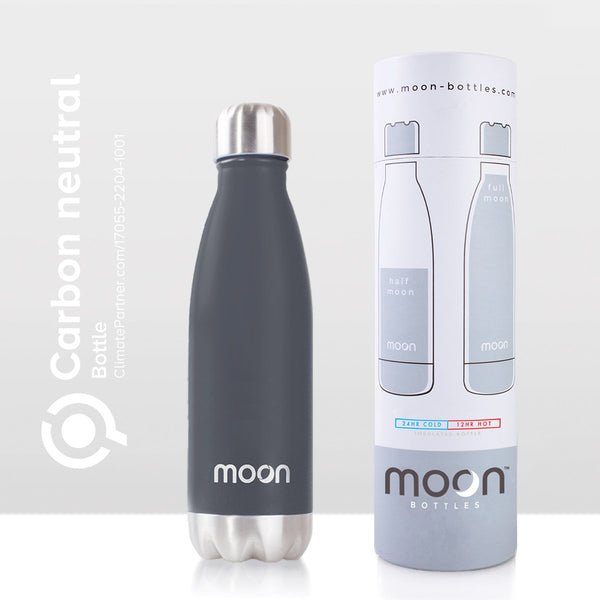
Be specific and modest. Talk about reducing single-use cups, encouraging refills, and choosing longer-lasting products. Avoid sweeping claims like “carbon neutral” unless you can explain the method behind it and provide evidence. You can also support your message with practical steps, like providing wash facilities, refill points, or a simple “how to look after your mug” guide. Transparency builds trust, and trust is part of brand value too.
What are the most common reasons promotional travel mug campaigns fail?
It is usually one of three things: wrong product for the audience, poor usability, or no plan for behaviour change. For example, handing out mugs at an event without any refill option means the mug never becomes part of a routine. Or choosing a lid that leaks means people stop carrying it. Campaigns also fail when branding is too loud, making the mug feel like advertising rather than a nice item. Fix those issues and results tend to improve quickly.
What should we include with the mug to increase usage?
Keep it simple. A short care card (how to clean, how to avoid lingering flavours), a reminder of where to refill, and a small nudge that makes the first week easy. For staff programmes, pairing mugs with accessible refill stations is often more effective than extra freebies. For events, a voucher for a hot drink when you bring your mug back can create an instant habit loop. You are not just distributing an item, you are launching a routine.
Key Takeaways
- Promotional travel mugs deliver ROI through repeated daily use, not one-off impressions.
- The “best” mug is the one people trust: leak resistance, easy cleaning, and insulation matter most.
- Sustainability impact depends on habit change, so plan refills and simple care guidance.
- Subtle, premium branding increases carry rate and protects long-term visibility.
- Measure use rate after 30 to 60 days and let feedback guide your next order.
Conclusion
Promotional travel mugs can be a genuinely smart marketing choice in 2026 because they sit inside real life: commutes, desk days, school runs, and site visits. But their value is not automatic. The mug has to work well enough that people choose it again tomorrow, and next week, and in three months’ time. That is what turns a branded item into brand recall, and it is also what turns “reusable” into a meaningful reduction in single-use waste.
If you plan your audience, choose a practical spec, keep sustainability messaging honest, and measure actual use, you will be in a strong position to improve ROI with every campaign. If you want to explore durable reusable drinkware options, take a look around Moon Bottles and see what fits your audience best.
If you’re ready to order promotional travel mugs in bulk, head to our branded reusable coffee cups & travel mugs in bulk page for low MOQs, engraving options and quick quotes.
Last updated: February 2026