Branded Reusable Coffee Cups UK (2026 Guide)
Branded Reusable Coffee Cups UK (2026 Guide)
You know that moment at a team meeting or conference when someone walks in balancing a cardboard cup and a laptop bag, then spends the first five minutes hunting for a bin that is already overflowing? It is a tiny everyday hassle, but when you multiply it by a whole workplace, it quickly becomes a proper waste problem.
That is where branded reusable coffee cups can genuinely help. Done well, they cut down single-use waste, make hot drinks easier to carry, and give your brand a practical item people actually keep. Done badly, they become yet another giveaway that lives in a kitchen cupboard for a week before being binned or donated.
This guide is here to help you get it right. We will talk through materials, lids, printing methods, what “leakproof” really means, and how to roll out cups so people use them (not just accept them politely). If you are a UK business, charity, school, gym, coffee shop, or events team looking for branded reusable coffee cups, you are in the right place.

Why branded reusable coffee cups make sense for UK organisations
Here’s the thing: single-use cups feel cheap and convenient, but they create an ongoing waste stream you have to pay for and manage. Even when cups are labelled “recyclable”, they often need specialist facilities, and real-world recycling rates vary by location and collection system.
Branded reusable coffee cups change the pattern. Instead of buying thousands of disposables each year, you are putting one durable item into someone’s routine. If you have ever tried to get a team to remember reusables, you will know the biggest barrier is not intention, it is habit. A well-designed cup that does not leak and keeps drinks hot makes that habit far easier.
From a practical standpoint, branded reusables also work as internal culture-building. They are a visible “we do things differently here” signal on the commute, at the client site, and in the canteen queue. For practical tips on longevity and daily use, see our How to Clean an Insulated Travel Mug guide.
What makes a good branded reusable coffee cup
Not all reusable cups are equal, and your team will notice. The reality is that people keep the cup that makes their day easier. Everything else becomes “that freebie I feel bad throwing away”.
Start with the everyday basics
Consider this: your cup has to survive a normal weekday, not a product photo shoot. That means being thrown into a backpack, squeezed into a car cup holder, left on a desk near a keyboard, and rinsed quickly between meetings.
- Leak resistance: “Splashproof” is fine for slow office sipping, but commuters usually need genuinely leakproof.
- Heat retention: insulation helps your drink stay enjoyable, but it also helps prevent burnt hands.
- Comfort: a lid that is easy to drink from, and a rim that feels nice on your mouth.
- Size: match common coffee orders in your organisation (think flat white vs large latte habits).
- Ease of cleaning: if it is fiddly, people stop using it.
Don’t underestimate the lid
What many people overlook is that “I stopped using it because it leaked once” is incredibly common. Lids are usually the make-or-break feature for adoption. If your staff mostly commute by train, bus, bike, or on foot, prioritise a secure lid and a design that can handle being knocked about.
If you are exploring different workplace approaches, our Best Travel Mug UK guide is helpful for mapping cup choices to real business needs.

Materials and sustainability: what matters and what is marketing
Now, when it comes to sustainability, it is tempting to get lost in buzzwords. Focus on what actually changes impact: durability, repeated use, and end-of-life options.
Stainless steel vs plastic vs glass
Stainless steel is popular in corporate reusable drinkware because it is durable, insulating, and tends to last for years when cared for. Double-walled vacuum insulation can keep drinks hot for long stretches, which is a genuine quality-of-life upgrade on long commutes or site days.
Plastic cups can be light and affordable, but they vary widely in longevity. They can also hold onto smells and stains, especially with coffee. Glass tastes great, but it is heavier and more breakable, so it is usually better for home or desk-only use.
What “BPA-free” does and does not mean
BPA-free is a useful baseline for plastics, but it is not a full sustainability story on its own. In practice, this means you should still look at product lifespan, spare parts (especially lids), and how easy it is to keep the cup fresh and clean. A cup that lasts three years is usually a better environmental bet than one that needs replacing every few months.
A realistic note on “eco” claims
The greenest cup is the one that gets used. If your branded cup is too big, too small, too leaky, or too annoying to wash, it will not stick. That is why product design is not separate from sustainability, it is sustainability.
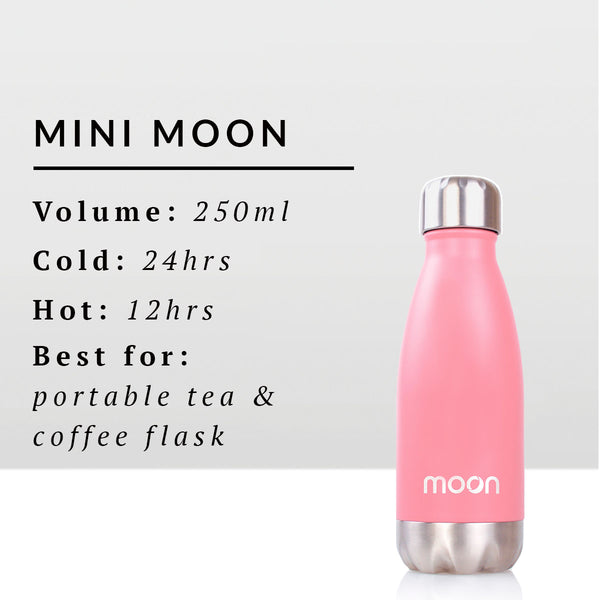
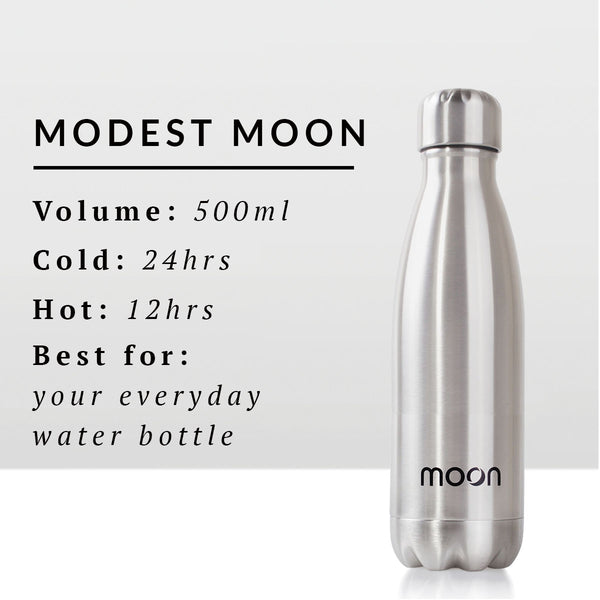
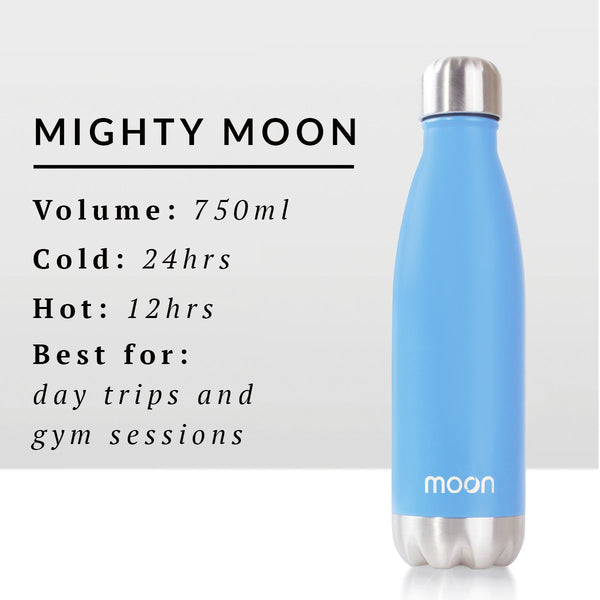
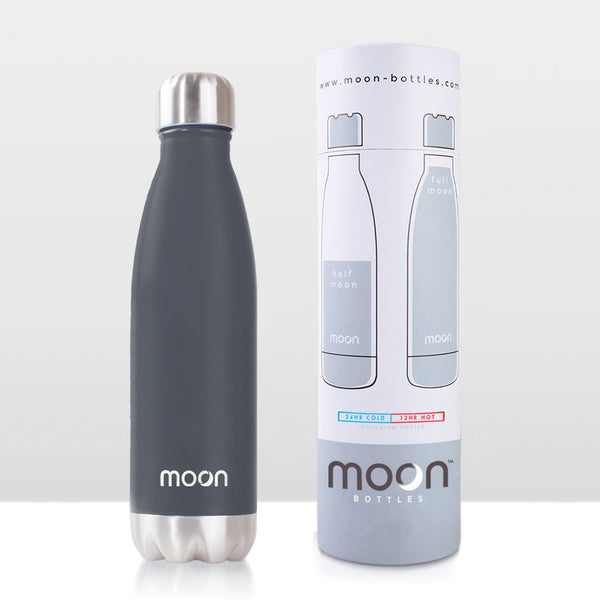
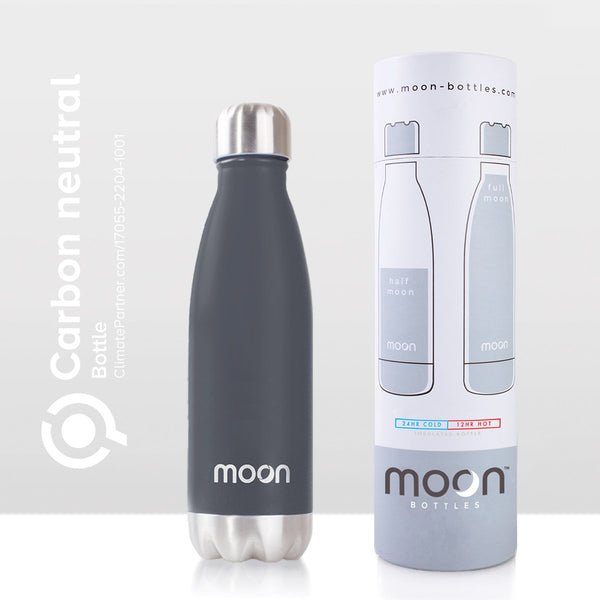
As one example of a durable option, Moon Bottles’ Reusable Coffee Cups are made from 18/8 stainless steel, are barista-friendly, and use double-walled vacuum insulation to keep drinks hot for up to 12 hours and cold for up to 24.
Branding and printing options (and what holds up to daily life)
If you are putting your logo on something people use every day, it needs to stay looking good after hundreds of washes and countless trips in a work bag.
Engraving vs printed branding
Engraving is popular for a clean, premium look and tends to be extremely hard-wearing. Printed branding can give you more colour flexibility, but you will want to choose a method that stands up to abrasion, dishwashing, and the general rough-and-tumble of commuting.
Think of it this way: if the branding scratches off easily, the cup stops feeling like a “keeper”. Our Best Personalised Coffee Travel Mugs in the UK guide (laser engraving available at low quantities; printed or sublimated options from 500 pieces) is worth a read.
Branding that encourages use
Subtle tends to win. A small logo people feel comfortable carrying on the train gets more use than something that looks like a billboard. You can also add personal touches, like individual names or initials, which helps reduce mix-ups in shared kitchens.
Information to include on your artwork brief
- Logo files in the right format (vector if possible)
- Preferred placement (front, back, wrap-around)
- Brand colours (Pantone or CMYK where relevant)
- Any constraints (small print, fine lines, gradients)
- Whether you want individual personalisation (names, teams, departments)
Choosing cups for your use case: office, commuting, events, cafes
One organisation’s “perfect” cup is another’s headache. Before you choose, picture where and how it will be used most days.
Office and hybrid teams
For desk-based use, comfort and easy cleaning matter most. People may top up drinks several times a day, so a barista-friendly shape and a lid that is easy to pop on and off is handy. If your workplace has shared cupboards, consider a design with a name area or optional personalisation to reduce accidental swaps.
Commuters and field teams
For commuters, the non-negotiable is leakproof. If it leaks in a laptop bag once, it is over. Insulation also matters because a commute might include school drop-off, a train ride, and a walk to the office.
A practical example here is the Moon 360° Travel Mug, which is designed to drink from any angle with a 360° rim, plus double-walled vacuum insulation and a tapered base for cup holders. It is the sort of design detail that actually supports daily reuse.
Events, conferences and giveaways
For events, your goal is “used during the event and taken home”. That means picking a size that suits on-site coffee service, and choosing something that is not fragile. If you are handing out cups at a stand, consider offering a quick rinse station or a simple “how to use and clean” card so people do not feel awkward taking it straight to the hotel room dirty.
Cafes and hospitality
If you run a cafe, branded reusables can support a discount scheme or a loyalty-style nudge. Make it genuinely easy: cups that fit under common machines, lids that are quick to secure, and a staff routine that does not slow the queue. Your customers will thank you for it.
Rollout tips: how to get real use, not cupboard clutter
The best cup in the world does not help if it stays in a drawer. Adoption is mostly about removing friction.
Make it easy on day one
If you are distributing branded cups internally, give them out at a moment that makes sense: onboarding, an all-hands meeting, a sustainability week, or a seasonal wellbeing push. Pair it with a simple message: where to rinse it, where to store it, and whether there is a dishwasher policy.
Build tiny habits, not big promises
Ask for a two-week trial, not “use this forever”. People stick with habits that feel achievable. You can even add small prompts like posters by the door: “Keys, pass, cup.” It sounds obvious, but it works.
Support behaviour with infrastructure
- Rinse stations near kitchen sinks
- A dedicated drying rack or shelf
- Clear rules for shared dishwashers
- Spare lids or a replacement process
If your organisation is weighing different rollout models, from staff gifting to customer incentives, you can build on the ideas in our How to Clean an Insulated Travel Mug guide.

Care, cleaning and longevity (the unglamorous bit that matters)
Coffee oils build up. Milk residues can go sour. And that “old coffee cup smell” is the quickest way to turn a reusable into a one-time experiment.
Daily care that keeps cups fresh
Rinse as soon as you can after your drink. At home, a quick wash with warm soapy water usually does the job. In the office, even a rinse and air dry helps if you cannot properly wash until later. Pay attention to the lid seals and drinking rim, because that is where residue hides.
Deeper cleaning when needed
If a cup starts to smell, soak it in warm water with a little bicarbonate of soda, then wash thoroughly. For stainless steel, this is often enough to reset it. Avoid harsh abrasives that scratch surfaces, because tiny scratches can make it easier for stains and odours to cling.
Set expectations honestly
The reality is that no reusable is truly “maintenance-free”. But when you choose something built for daily use, the effort is small and the payoff is huge: fewer disposables, better-tasting drinks, and less mess on the go.
If you want a transparent look at manufacturing and supply chains, this is a useful read: Moon Family FAQ #3 - Where are Moon Bottles made?.
Frequently Asked Questions
What are branded reusable coffee cups?
Branded reusable coffee cups are refillable cups designed for repeated use, customised with your organisation’s logo or messaging. They are typically used by staff, customers, members, or event attendees as a practical alternative to single-use takeaway cups. The most common formats include insulated stainless steel cups and travel mugs, plus reusable plastic cups. The best options are the ones people actually carry and use, so it is worth prioritising comfort, leak resistance, and easy cleaning over flashy designs.
Are branded reusable coffee cups actually more sustainable?
They can be, but only when they are used repeatedly. The sustainability win comes from replacing lots of single-use cups over time. If a branded cup is poor quality and gets binned quickly, it can create more waste, not less. Look for durability, spare parts (especially lids), and a design people enjoy using. From a practical standpoint, your rollout matters too. If you make it easy to rinse and store at work, you will see much better long-term use.
What size is best for branded reusable coffee cups in the UK?
Match your cup size to real drink habits. If your team mostly orders flat whites and americanos, a smaller cup works. If it is lattes, teas, and longer drinks, go bigger. For events, consider what your catering serves as standard, because an awkward mismatch frustrates people. It can also help to offer two sizes for different needs, but if budget is tight, choose the size that will fit the widest range of orders and still be comfortable to carry.
Should we choose stainless steel, plastic, or glass for branded cups?
Stainless steel is often the most practical for workplaces because it is tough, insulates well, and lasts a long time. Plastic can be lighter and sometimes cheaper, but quality varies and it may stain or hold odours more easily with coffee. Glass tastes great and looks lovely, but it is heavier and more likely to break, so it suits desk use more than commuting. If your goal is daily adoption for busy people, durability and leak resistance usually point you towards insulated stainless steel.
What is the difference between a reusable coffee cup and a travel mug?
Reusable coffee cups are often “barista-friendly” shapes designed for quick service at coffee machines and easy sipping, sometimes with simpler lids. Travel mugs are typically designed for movement: stronger leakproof lids, better insulation, and shapes that fit cup holders. Your choice depends on where the cup will be used most. Office kitchens and cafes can suit coffee cup designs, while commuters, drivers, and field teams usually do better with travel mugs built to handle bags and bumps.
How do we choose branding that people will actually use in public?
Keep it tasteful and easy to live with. A small logo, a simple mark, or a subtle wrap often gets more real-world use than a huge printed message. People need to feel comfortable carrying it on the train or into a client meeting. If you are giving cups to staff, personalisation like names or initials can help too, because it reduces mix-ups in shared kitchens. If you want colourful artwork, check how well the print method holds up after heavy washing.
Do branded reusable coffee cups need to be leakproof?
It depends on your audience. If the cup is mainly for desk sipping, leak resistant may be enough. But if you are giving cups to commuters or event attendees who will carry them around, leakproof is a big deal. One leak can ruin a laptop bag, and it tends to end the habit instantly. Ask a few people in your organisation how they travel day-to-day. If there is lots of walking, cycling, public transport, or shared car rides, prioritise a more secure lid design.
How do we stop branded cups becoming unwanted freebies?
Choose quality, then focus on rollout. Give the cups at a moment that creates meaning, like onboarding, an all-hands meeting, or an event with a clear sustainability aim. Make using them easy with rinse stations, drying space, and a simple “how to clean” note. Consider offering a short challenge, like “bring your cup for two weeks”, instead of asking for perfection. You can also ask staff which size and style they would actually use before committing to a large order.
How should branded reusable coffee cups be cleaned at work?
Start with the basics: rinse after use, wash with warm soapy water, and let the cup fully dry. Pay attention to lid seals and drinking rims, because residue tends to hide there. If dishwashers are available, make sure there is a clear office policy, including where to place lids and how to avoid mix-ups. If cups start to smell, a soak with warm water and bicarbonate of soda can help. The easier you make cleaning, the more consistent reuse you will see.
What should we ask suppliers before ordering branded reusable cups?
Ask about materials, lid design, and how branding is applied. Check whether spare lids or replacement parts are available, because that can extend lifespan significantly. Confirm lead times, minimum order quantities, and what artwork files are needed. It is also sensible to request a sample so you can test the cup in real conditions: in a backpack, in a car cup holder, and through your typical cleaning routine. A week of honest testing can prevent a long-term cupboard problem.
Key Takeaways
- Branded reusable coffee cups reduce single-use waste when people use them repeatedly, so design and rollout matter as much as branding.
- For commuters and field teams, leakproof lids and insulation drive adoption more than flashy artwork.
- Stainless steel is a practical choice for durability and heat retention, while plastic and glass suit more specific scenarios.
- Subtle logos and optional personalisation often get more daily use than loud designs.
- Support reuse with rinse stations, drying space, and simple care guidance so the cups stay fresh and enjoyable.
Conclusion
Branded reusable coffee cups can be a genuinely positive switch for UK organisations, but only when you treat them as a daily tool rather than a one-off promo item. The cups people keep are the ones that fit their routines: the right size for their drink, a lid they trust, insulation that keeps coffee enjoyable, and cleaning that does not feel like a chore.
If you are planning a corporate rollout, start by picturing the real moments of use: the Monday commute, the school run drop-off before work, the busy event queue, the quick refill between meetings. Choose a cup design that makes those moments easier, then back it up with simple workplace habits like rinse points and drying space.
If you’re ready to order branded reusable coffee cups or travel mugs in bulk, head to our branded reusable coffee cups & travel mugs in bulk page for low-MOQ laser engraving options and quick quotes (printed/sublimated branding available from 500 pieces).
Last updated: February 2026