Branded Travel Mugs: UK Corporate & Business Guide 2026
Branded Travel Mugs: UK Corporate & Business Guide 2026
You know that moment on a Monday morning when you are juggling a laptop bag, your coffee, and a half-eaten breakfast bar, and the flimsy takeaway cup decides to leak? Now imagine that same chaos, multiplied across a whole office, depot, campus, or conference venue. It is no surprise so many UK organisations are looking at branded travel mugs as a practical, visible step towards cutting single-use waste.
Here’s the thing: ordering branded travel mugs is not just “pick a colour and add a logo”. The choices you make around materials, lid design, decoration method, and fulfilment can decide whether mugs get used daily or quietly live at the back of a cupboard.
This guide walks you through the real-world decisions: what to look for, what to avoid, how to make the sustainability claims honest, and how to set your team up for lasting habits. If you are new to sourcing, you can also dip into our Best Travel Mug UK guide for a practical overview.

Why branded travel mugs still make sense in 2026
From a practical standpoint, travel mugs solve a problem people feel every day: hot drinks on the go without spills, waste, or lukewarm coffee by 10am. When the mug is comfortable to use and easy to clean, it becomes part of someone’s routine, whether they commute by train, drive between client sites, or do the school run before logging on.
What many people overlook is the “visibility factor”. A branded travel mug is one of the few corporate items that can be used daily, in public, for years. It is a useful gift first, and a brand touchpoint second. That is why it often outperforms disposable swag that is used once and binned.
If you are weighing up impact and budget, it helps to think in behaviour change terms: a good mug nudges repeat use. For practical tips on longevity and daily use, have a look at our How to Clean an Insulated Travel Mug guide.
How to choose the right mug for your audience
Start with where and how it will be used
Consider this: a mug that is perfect for a desk might be annoying on a commute. A mug that is great in a car cup holder might be too tall for a small bag. Before you touch colours or branding, map your main use cases.
- Commuters: leak resistance, one-handed drinking, fits cup holders, durable finish.
- Office and hybrid workers: comfortable lip feel, easy cleaning, good heat retention.
- Outdoor teams: tougher materials, reliable seal, good grip, insulation for long shifts.
- Events: fast distribution, simple care instructions, inclusive sizing.
Pick a size that matches real drinking habits
In the UK, many people grab a small coffee on a train platform, but plenty want a longer-lasting brew for meetings. The sweet spot is often offering one “default” size that suits most people, then a smaller option for those who prefer lighter carry, or a larger option for longer shifts.
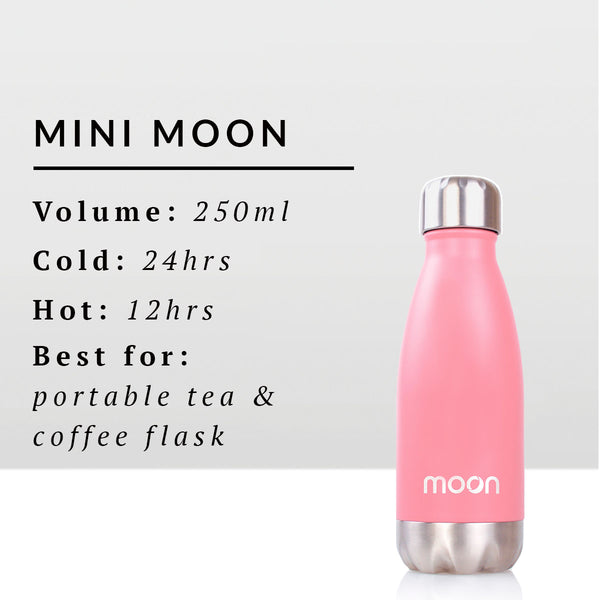
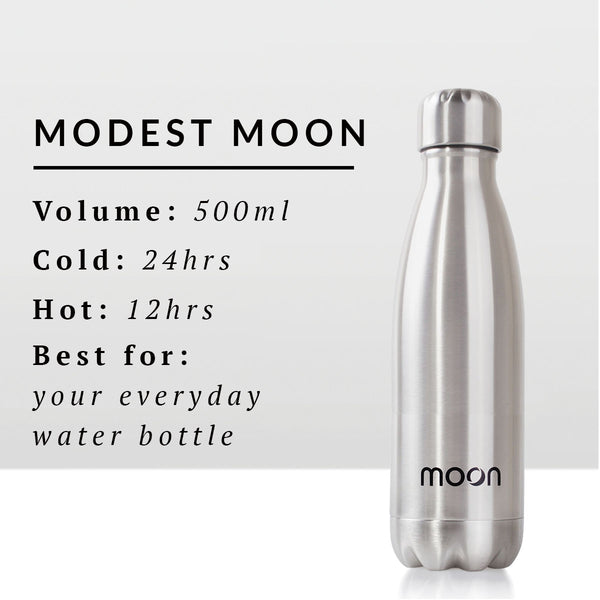
For example, the Moon 360° Travel Mug comes in 260ml - 300ml sizes, and 450ml - 500ml sizes, which covers a lot of typical office and commute scenarios without overcomplicating the range. You can see the sizes here: Moon 360° Travel Mug.
Do not ignore lid experience
The reality is: lids decide whether a mug becomes a favourite or a regret. People care about drip-free sipping, whether the lid feels fiddly, and whether they can drink while walking. If the lid is difficult to clean, it can also become a hygiene worry, especially in shared workplaces.
Look for a lid that matches your audience’s tolerance for “faff”. Some people love a flip mechanism, others just want a simple sip design that does not require two hands.
Materials, insulation, and what “eco” really means
Stainless steel: the workhorse option
Most long-life branded travel mugs are stainless steel because it is durable, resists odours, and handles daily knocks. Now, when it comes to insulation, double-walled vacuum designs help keep drinks hot for hours. That is not just a comfort perk. It can reduce “second cup” purchases because the drink stays enjoyable longer.
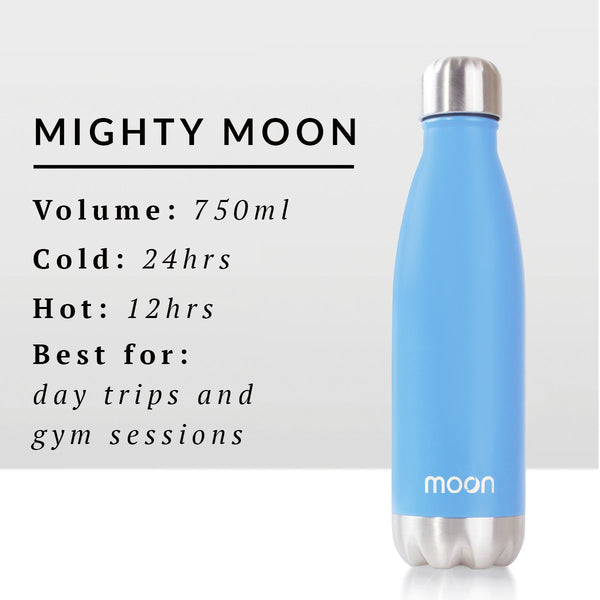
Moon Bottles’ travel mugs are made with 18/8 stainless steel and use double-walled vacuum insulation, with hot and cold performance listed as up to 12 hours hot and 24 hours cold on the product pages. That kind of durability matters when you want a corporate gift that gets used beyond the first week.
Plastic and hybrid mugs: lighter, but check the trade-offs
Plastic travel cups can be lighter and cheaper, but they often scratch, stain, and hold smells over time. In practice, this means they can drop out of rotation sooner, which is not what you want if your goal is to reduce waste. If you do choose plastic components, check for BPA-free materials and think carefully about longevity and end-of-life options.
Honest sustainability: focus on use, not buzzwords
It is tempting to plaster “eco” across everything, but sustainability is mostly about real use over time. A branded travel mug is most sustainable when it is:
- Used regularly for years, not weeks
- Easy to keep clean, so people keep using it
- Repairable, or at least supported with spare parts where possible
- Backed by a solid guarantee, so it does not get replaced for minor issues
If your organisation is talking about impact, it can help to give people a simple message: “use this instead of disposables”. Pair it with easy wash guidance and a reminder that bringing your mug is normal, not awkward.

Branding methods, artwork, and design tips that get used
Make it something people will happily carry
Think of it this way: a mug is personal. People put their mouth on it. So the branding cannot feel like a billboard. If you want high daily use, keep the design tasteful and practical.
Simple ideas that work well include a small logo, a subtle message, initials, or a name. Personalisation is particularly helpful in shared offices, where mugs get muddled. As one example, Personalised Travel Mugs can be engraved, which tends to wear well over time: Personalised Travel Mugs.
Engraving vs printed branding
Engraving is often chosen for longevity because the mark is part of the surface finish rather than ink sitting on top. Printed designs can look brilliant, especially with colour, but you will want to check abrasion resistance and dishwasher guidance so the branding does not fade quickly.
If you are ordering for an event or campaign, align the branding method with how long you expect the mugs to be used. For long-term employee gifting, durability usually wins.
Artwork and approvals: where projects often wobble
The number one delay I see with branded drinkware is artwork back-and-forth. Try to provide vector files where possible, agree brand rules early (logo size, placement, colour), and ensure someone signs off quickly.
If you are unsure how many to order while you test the waters, it is worth reading our Best Personalised Coffee Travel Mugs in the UK guide (laser engraving available at low quantities; printed or sublimated options from 500 pieces) so you understand typical minimums and how pricing often scales.
Roll-out ideas: how to drive genuine adoption
Pair the mug with small habit supports
Handing out mugs is the easy part. Getting them used is the real work, but it does not have to be heavy-handed.
Practical supports that help are simple: a “bring your mug” sign at the coffee point, a quick note in onboarding packs, or a reminder during team meetings when you are trying to reduce waste. If you have on-site catering, ask if they can offer a small discount for reusables, or at least make reusables the default option.
Make refills convenient
If people have to hunt for a sink or feel awkward rinsing a lid, mugs get abandoned. If you can, make sure there is:
- Easy access to washing-up facilities
- A drying rack or space for air-drying
- Clear guidance on what is dishwasher-safe
Consider your audience, not just your logo
For commuters, a true leak-resistant lid is key. For drivers, fit in cup holders matters. For frontline teams, a mug that can be dropped without drama matters. A single design can work, but only if it respects how people actually live and work.
If you want a consumer-style benchmark for what makes a mug enjoyable day to day, you might like Best Travel Mug UK - for Your Hot Drink on the Go.

A practical ordering checklist for UK businesses
When you are busy, it is easy to focus on the fun bits (colours, logos) and miss the details that affect use. Here is a grounded checklist you can use internally.
1) Define your goal
- Employee welcome gift?
- Customer gifting?
- Event giveaway?
- Single-use cup reduction programme?
2) Confirm the must-haves
- Leak resistance expectations (commute vs desk)
- Insulation needs (hot drinks only, or hot and cold)
- Size preference (small coffee vs long meetings)
- Cleaning ease (simple parts, fewer crevices)
3) Choose branding that lasts
- Engraving for longevity and a premium feel
- Print for colour and campaign creativity
- Keep designs subtle so people will use them outside work
4) Plan fulfilment and distribution
- One-site delivery vs multiple sites
- Named personalisation if mugs will be stored at work
- Include a simple care card to protect the mug and branding
5) Keep sustainability claims specific
Avoid vague statements like “100% eco”. Instead, communicate what is true and useful: reusable, durable materials, long insulation, and practical guidance that encourages repeat use.
If you are also being asked about where products are manufactured, it helps to be transparent and consistent. This post covers that topic directly: Moon Family FAQ #3 - Where are Moon Bottles made?.
A quick note on Moon Bottles (one example)
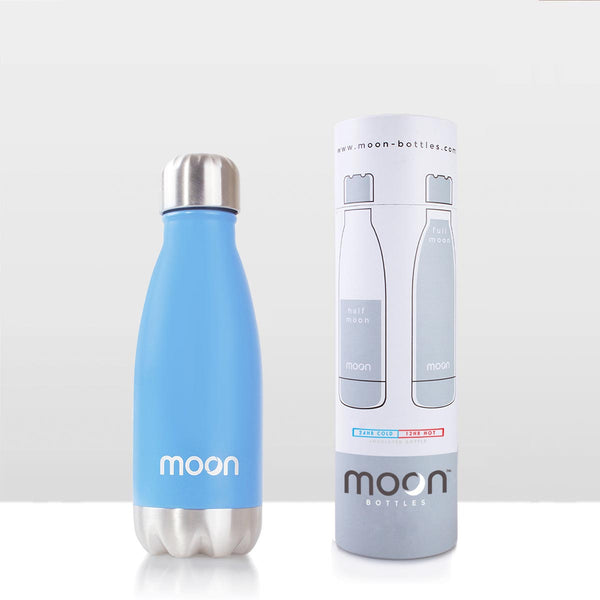
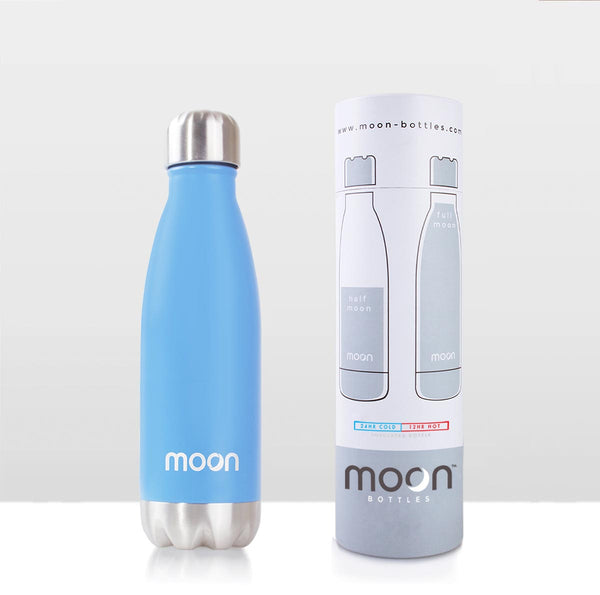
If you are comparing options, Moon Bottles is one example of a UK boutique brand offering insulated stainless steel travel mugs with a lifetime guarantee, plus personalisation options. The Moon 360° Travel Mug is designed for everyday use with vacuum insulation and a 360° drinking rim, which suits busy commutes and desk days.
Frequently Asked Questions
What are branded travel mugs, exactly?
Branded travel mugs are reusable mugs that carry a company logo, message, or design, usually used for hot drinks like tea and coffee. They are typically given to employees, customers, or event attendees. The best ones are designed for real life: they feel nice to drink from, help prevent spills, and are easy to clean. From a sustainability angle, their value comes from repeat use. A mug used daily for years can displace a lot of disposable cups, lids, and sleeves.
Are branded travel mugs actually eco-friendly?
They can be, but it depends on whether people use them often and for a long time. The reality is that a reusable mug sitting in a drawer does not reduce much waste. Look for durable materials (often stainless steel), comfortable everyday design, and a lid that people trust not to leak. Then support the habit with practical steps like easy washing facilities and clear “bring your mug” messaging. “Eco-friendly” is less about a label and more about the number of times the mug replaces disposables.
What material is best for branded travel mugs in the UK?
Stainless steel is a common choice for UK organisations because it is tough, resists odours, and works well with insulation. Double-walled vacuum insulated designs can keep drinks hot for hours, which makes people more likely to keep using the mug rather than buying another drink. Plastic mugs can be lighter, but they may stain or keep smells, and that can shorten their lifespan. If you do use plastic components, confirm they are BPA-free and easy to clean.
Is engraving better than printing for corporate mugs?
Engraving is often chosen when you want branding that lasts and looks understated. Because it is part of the surface finish, it tends to handle daily use well. Printing can be brilliant for colourful designs, event branding, or short campaigns, but you will want to check how it holds up over time, especially if mugs go in dishwashers. Think about your goal: if you want a long-term employee gift, longevity usually matters most. If it is a campaign item, print may suit better.
What size travel mug should we choose for staff?
A “best” size depends on your team’s routines. Smaller mugs suit quick coffees and lighter bags. Larger sizes suit longer meetings, longer shifts, and fewer refills. A practical approach is to pick one main size that fits most people, then offer a smaller or larger alternative for those who want it. If you are ordering for a mixed workforce, avoid extremes. Very small mugs can feel stingy, and very large mugs can be heavy and harder to fit in cup holders or bags.
How do we stop branded travel mugs being wasted or unused?
Make the mug genuinely useful and easy to live with. Prioritise leak resistance, comfortable drinking, and easy cleaning. Then support adoption: put a quick “care and use” note in the box, make washing facilities easy, and encourage bringing reusables at the coffee point. Consider subtle branding so people feel happy using the mug outside work. If you can add names or initials, it also reduces mix-ups in shared kitchens. Small practical nudges beat big sustainability speeches every time.
Can branded travel mugs go in the dishwasher?
It depends on the mug and the branding method. Some insulated stainless steel mugs can be dishwashed, but lids often have seals and moving parts that benefit from hand washing to keep them fresh and functioning well. Printed branding can sometimes fade faster in high-heat dishwasher cycles, while engraving generally stays put. The simplest approach is to include care guidance with your order, so people know what to do. If a mug is annoying to clean, it is less likely to be used long term.
Are branded travel mugs safe for hot drinks?
Most quality travel mugs are designed for hot drinks, but you should still check materials and certifications with your supplier. Look for food-grade materials and BPA-free components where plastic is used. With insulated mugs, the outside often stays cooler to hold, which is helpful on commutes. It is also worth thinking about drinking temperature: insulation keeps drinks hot for longer, so a cautious first sip is wise. If you are supplying across a workforce, clear, simple use guidance helps everyone.
What should we ask a supplier before ordering branded travel mugs UK?
Ask questions that protect real-world use: expected lead times, minimum order quantities, sample availability, branding method options, and what happens if there is a fault. Confirm material details, cleaning guidance, and whether spare lids or parts can be supplied. Clarify how artwork approval works and who signs off the final proof. Finally, keep sustainability claims accurate and specific. If you want a deeper procurement lens, our Best Travel Mug UK guide is a helpful companion read.
What is a sensible way to run a branded travel mug campaign?
Start small, learn fast, then scale. Pilot with one team or one site, gather feedback on size, lid comfort, and cleaning, then adjust before you order for everyone. Tie the rollout to something practical like “single-use cups reduction” or a wellbeing push (hydration and breaks), rather than vague sustainability messaging. If you want the marketing angle too, our How to Clean an Insulated Travel Mug guide has useful ideas on what makes mugs get used long-term.
Key Takeaways
- Branded travel mugs work best when they are genuinely useful, comfortable, and easy to clean, so people use them for years.
- Lid design and size choice often matter more than colour. Match the mug to commuting, desk use, driving, or frontline work.
- Keep sustainability claims honest and specific. The real impact comes from repeat use replacing disposable cups.
- Engraving usually offers long-lasting branding, while printing can suit colourful campaigns if durability is checked.
- Support adoption with simple habit nudges and convenient wash facilities, not guilt or pressure.
Conclusion
Branded travel mugs can be a brilliant, practical step for UK organisations that want to cut single-use waste while giving people something they will actually enjoy using. The biggest wins come from the unglamorous details: choosing a size that suits real routines, picking a lid people trust, and keeping the mug easy to clean. Get those right and your branded travel mugs stop being “merch” and start becoming part of daily life, on commutes, in meetings, and on site.
If you are coordinating a bigger rollout, it is worth lining up your sourcing plan and quantities early. If you’re ready to order branded travel mugs in bulk, head to our branded reusable coffee cups & travel mugs in bulk page for low-MOQ laser engraving options and quick quotes (printed/sublimated branding available from 500 pieces).
Last updated: February 2026